
Diet For Cholesterol Deposits On Eyelids: What To Eat
Simple Food Swaps For Healthier Cholesterol
What Should I Eat If I Have Xanthelasma?
A good diet for cholesterol deposits on eyelids is simply a heart-healthy one: plenty of vegetables, fruit, oats, beans and wholegrains, some oily fish, nuts and olive or rapeseed oil, with less butter, fatty meat, cakes and processed food. There’s no special xanthelasma diet, but these changes help keep your cholesterol in a healthy range, which matters because xanthelasma can be a sign that blood fats are raised.
Food won’t make the patches you already have disappear, though, and that’s worth knowing before you start. Diet is about looking after your heart and your blood fats; the patches themselves are a separate, cosmetic question. Many people get xanthelasma with normal cholesterol, as our guide to xanthelasma with normal cholesterol explains. If you’re not sure where you stand, ask your GP for a simple blood test, and read about the signs of high cholesterol on eyelids to see what the patches can and can’t tell you.

Smoking, Alcohol And Staying Active
Food is only part of the picture. Smoking lowers your “good” HDL cholesterol and harms your blood vessels, so stopping is one of the most useful things you can do, and your GP or local stop-smoking service can help. Keeping alcohol within recommended limits matters too, as heavy drinking raises blood fats and puts strain on your liver; our page on xanthelasma and liver health explains the link. Regular movement, even a brisk walk most days, helps your body handle fats.
If diet and lifestyle aren’t enough, your doctor may suggest cholesterol-lowering medicine. That’s a decision for you and your doctor, based on your blood test and your overall heart risk, not something to choose from a website.

A cholesterol blood test usually checks your other blood fats as well, and often your blood sugar too, because xanthelasma and diabetes can be connected. Your GP will tell you when it’s worth checking again.

Can Changing Your Diet Clear Xanthelasma?
Usually not. Lowering your cholesterol is good for your heart, but existing patches rarely fade because of it, as medical reviews such as StatPearls point out. The fat in a patch sits inside cells under the skin, and once it’s there, it tends to stay.
That doesn’t make healthy eating pointless. Keeping blood fats in check is good for your long-term health, and it’s the sensible thing to do whatever you decide about the patches. If you’ve wondered can xanthelasma go away on its own, our honest answer explains why most patches stay put, and why some people notice their xanthelasma getting bigger over the years. When you’re ready to deal with the patches themselves, our guide on how to reduce xanthelasma walks you through every route.

What To Eat More Of
Oats and barley contain a soluble fibre called beta-glucan that helps lower cholesterol, so porridge is a good way to start the day. Beans, lentils and chickpeas add fibre and protein without the saturated fat. Oily fish such as salmon, mackerel and sardines, eaten about twice a week, is good for your heart. Cook with olive, rapeseed or sunflower oil instead of butter, and reach for a small handful of unsalted nuts instead of biscuits. Fill half your plate with vegetables and salad, and keep fatty and processed meats, pastries and cream for now and then rather than every day.

Xanthelasma Food: A Simple Day’s Eating
You don’t need a strict plan. Here’s what an ordinary day might look like with these swaps in place; adjust it to your tastes, your budget and any advice from your doctor.
Breakfast could be porridge made with semi-skimmed milk and topped with berries. Lunch might be a wholegrain wrap with chicken or hummus and salad, or a bean and vegetable soup. For dinner, try baked salmon with new potatoes and greens, or a lentil curry with brown rice.
Watch for hidden extras. Shop-bought sauces, ready meals and many so-called healthy snacks can be high in sugar, salt and saturated fat, so check the labels and cook from scratch when you can. A home-made tomato sauce with garlic and herbs takes ten minutes and tastes better too. Drink water, tea or coffee rather than sugary drinks, and keep sweets and cakes as an occasional extra rather than an everyday habit.
Eating this way looks after you on the inside. For the patches on the outside, read up on natural remedies for xanthelasma first, so you know which are gentle and which to avoid, and see real Xanthel® results from people who chose a cosmetic route at home.
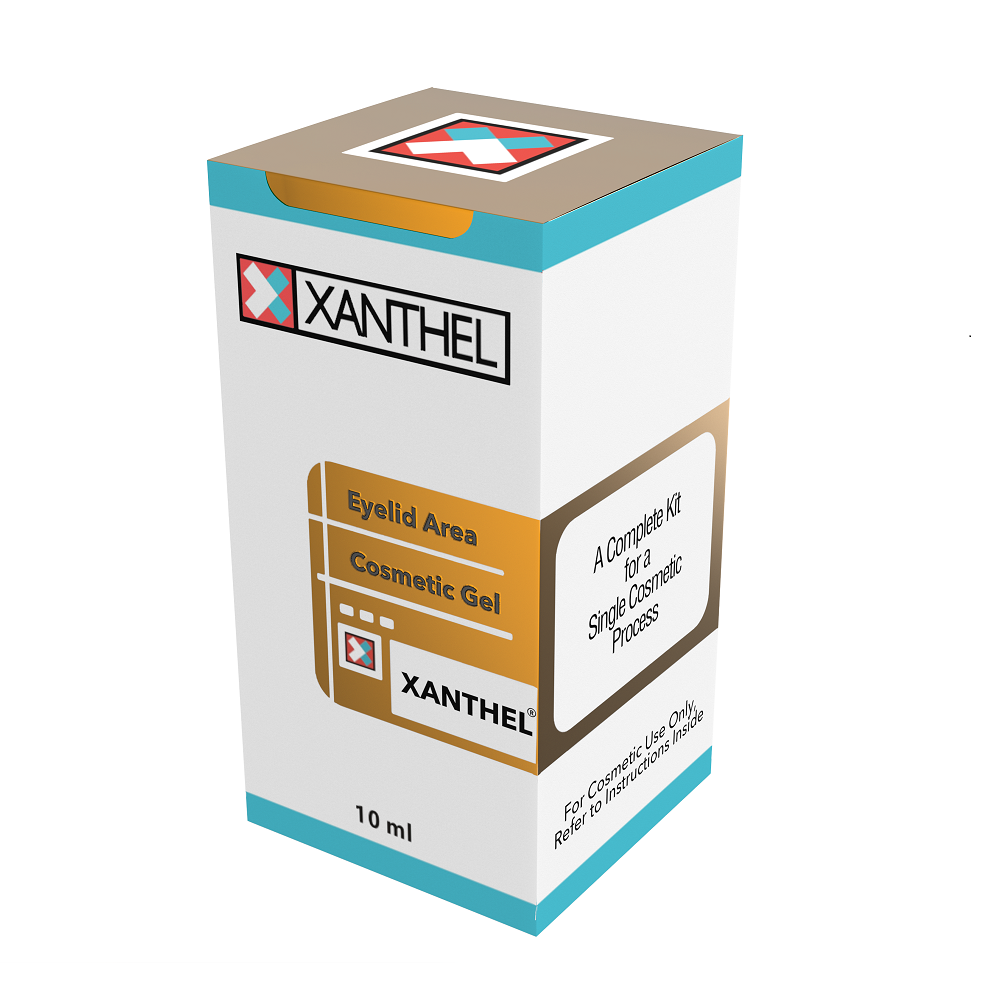
Xanthel® Xanthelasma Cream: For Patches Food Can’t Shift
Eating well but still bothered by the yellow patches? Xanthel® xanthelasma cream is a cosmetic product designed to improve the look of xanthelasma that a healthier diet leaves behind, so you can stop worrying about those patches every time you look in the mirror.
Made For Your Skin
Each kit is made to order for your skin type and tone, rather than one formula for everyone, so it’s designed to work on your patches while staying gentle on the skin around your eyes.
Simple, Private And Quick
Two minutes or less to apply at home, usually just once. No clinic, no needles, and free tracked delivery worldwide.


