Xanthelasma Removal Options: Every Way Compared
Xanthelasma Options
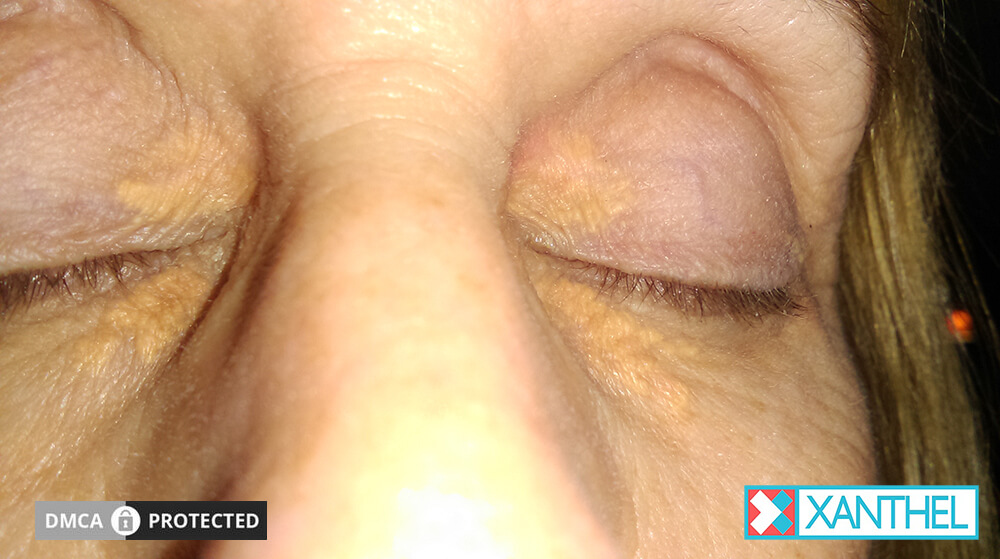
Xanthelasma removal options range from a cosmetic product you apply at home to clinic procedures such as laser, freezing, chemical peels, electrolysis and surgery. Each has its own cost, recovery time and risks, and none stops new patches forming. This page sets every option side by side, so you can see which suits your patches, your skin and your life.
What Are The Options For Removing Xanthelasma?
There are three broad routes. At home, you can use a cosmetic product made for xanthelasma, such as Xanthel®. At a clinic, a dermatologist or surgeon can use laser, freezing, a chemical peel, electrolysis or surgery. And then there are home remedies like garlic and castor oil, which are popular but won’t remove the patches. Below, we look at each in turn, fairly and in plain English.
Which Way Of Removing Xanthelasma Is Right For Me?
The right way to remove xanthelasma depends on your patches and what matters most to you. Small, soft, flat patches on the eyelids often suit a gentle at-home option or a quick clinic method. Large, thick or firm patches, or ones that have come back, are usually better seen by a surgeon or dermatologist. Your skin tone matters too, as some clinic methods are more likely to leave lighter or darker marks on medium and darker skin.
Then there’s your life. Clinic routes mean consultations, appointments, fees and often a week or two of healing between sessions. At-home routes avoid all that, but you’ll want something made for the delicate skin of the eyelids rather than a kitchen remedy. Whatever you choose, ask your GP for a cholesterol check first; it won’t change how you remove the patches, but it’s worth knowing for your health. If you’d like help weighing it up, our guide on how to reduce xanthelasma walks through the choice step by step.
Where Xanthel® Fits In
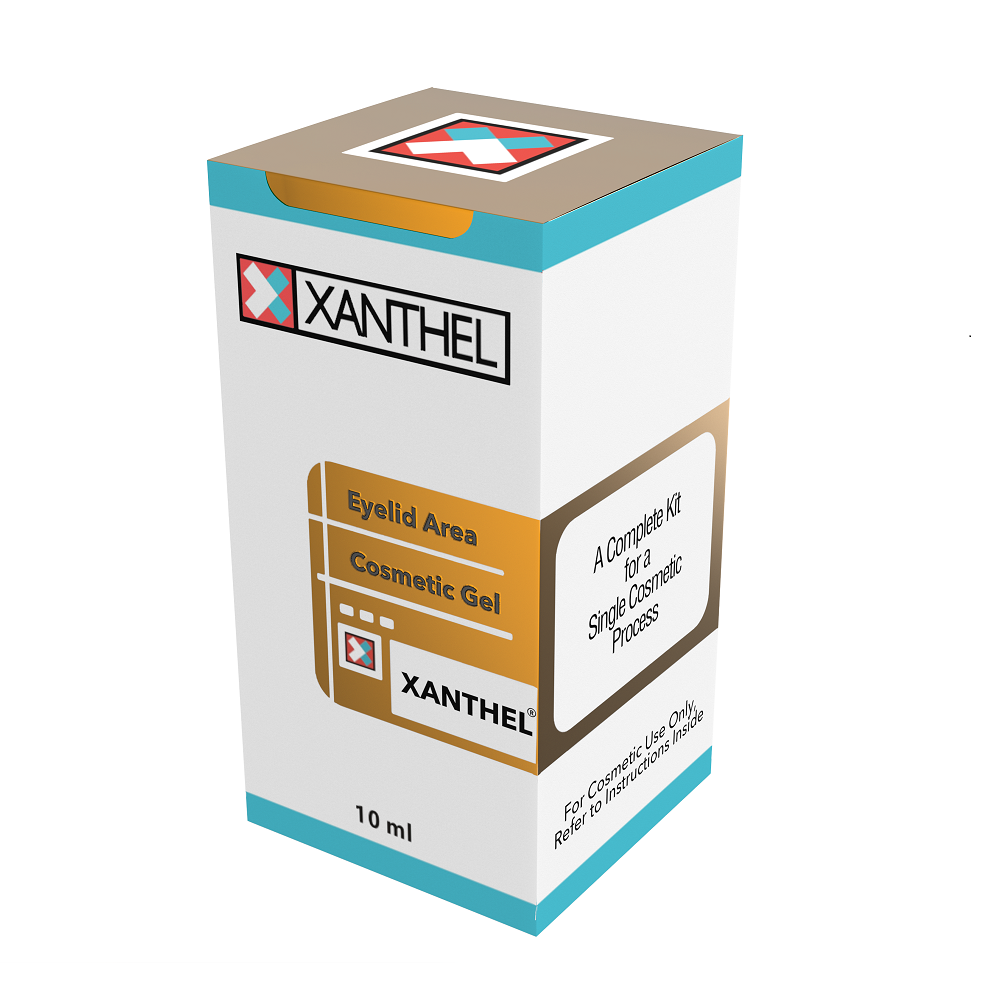
Xanthel® xanthelasma cream is the at-home route. It’s a cosmetic product designed to help improve the look of xanthelasma, applied in two minutes or less, usually just once, with no clinic, no needles and no waiting list. Here’s what makes it different.
Made for your skin. Every kit is made to order for your skin type and tone, as a cream or gel, rather than one formula for everyone.
Gentle on eyelids. It’s designed for the thin, delicate skin around the eyes, with clear step-by-step instructions in every kit.
Made in the EU. Each kit is produced in Europe and sent with free tracked delivery, wherever you live.
Developed by someone who’s been there. Our founder, P. Cutler, had xanthelasma himself and developed Xanthel® with consultant dermatologists.
Honest advice first. Not sure it suits your patches? Email us a photo before you order and we’ll tell you plainly, even if a clinic would be the better choice.
Help afterwards. If you have a question while you’re using it, we’re a quick email away.
You can see real customers’ eyelids, day by day, on our Xanthel® results page.
Rather Do It At Home? Meet Xanthel®
Garlic: A Popular Home Remedy

Garlic turns up on almost every list of natural remedies for xanthelasma. Some people eat more of it or take supplements; others hold a cut clove against the patch every day. The idea is understandable: garlic has a reputation for supporting heart health and fighting germs, and xanthelasma is often linked to cholesterol.
Eating garlic may lower cholesterol a little in some people, which is good for your heart. But it doesn’t break down patches already sitting in the skin. Xanthelasma is made of fat-filled cells in the deeper layer of the skin, and once they’re there, what you eat rarely shifts them. At most, keeping cholesterol in check may slow new patches forming.
Rubbing garlic on the eyelids is a different matter. When a clove is crushed or cut, it releases allicin, a sulphur compound that gives garlic its smell and also irritates the skin. On thin eyelid skin, that can mean stinging, redness, blisters and, in some cases, a chemical burn that takes weeks to heal. Burns like that can leave darker or paler marks, which may be harder to hide than the patch itself.
There’s also the eye to think about. Garlic juice can easily run or be wiped into the eye, where it stings badly and can inflame the surface. If that happens, rinse with plenty of clean water and get advice from a pharmacist, optician or doctor if it doesn’t settle.
Part of garlic’s reputation comes from confusion with other eyelid bumps. A stye is an infection near the lash line; it’s red, sore and swollen. Xanthelasma is soft, yellow and painless, and it isn’t an infection, so garlic has nothing to fight. Our guide to garlic for cholesterol deposits on eyelids looks at the evidence in more detail.
In short: enjoy garlic in your food, but keep it off your eyelids. If you want to deal with the patches at home, use something made for them, and leave the kitchen remedies in the kitchen.
Castor Oil: Gentle, But Does It Work?

Can Castor Oil Remove Xanthelasma?
Castor oil is a thick vegetable oil pressed from the seeds of the castor plant. It’s been used for centuries as a moisturiser and in hair care, and it’s often recommended online for xanthelasma, usually dabbed onto the patches each night. Its main ingredient, a fatty acid called ricinoleic acid, gives it that sticky, glossy feel.
Sadly, there’s no good evidence that castor oil removes xanthelasma. The patches sit below the surface, further down than an oil can reach, and they’re made of fat-filled cells that another fat can’t dissolve. People sometimes notice their patches look a little softer after weeks of use, but that’s most likely the skin around them being better moisturised.
You may also read that castor oil lowers cholesterol. There’s no reliable research showing that, whether it’s put on the skin or swallowed, and taken by mouth it works as a strong laxative. If your cholesterol is raised, your GP is the right person to talk to about diet changes or anything prescribed. Our guide to xanthelasma castor oil goes through the popular claims one by one.
That doesn’t make castor oil useless. It’s a good, inexpensive moisturiser for dry skin, lips and cuticles, and many people like it on their brows and lashes. It just isn’t a way to remove the patches.
Is Castor Oil Safe Near The Eyes?

In small amounts, castor oil is generally mild, which is why some people use it on their lashes. The problems come from using too much, using it too often or getting it in the eye. A thick film on the eyelids can smear into the eye, blur your vision for a while and make it sting. Too much can also clog the tiny pores around the eyes and cause milia, small white bumps that are a nuisance in their own right.
Some people are allergic to castor oil and get an itchy red rash, so patch test it on the inside of your arm and wait 48 hours before going near your face. Never mix it with essential oils, iodine, vinegar, lemon juice or acids, all of which appear in online recipes and all of which can burn eyelid skin.
If you’d still like to try it, use a clean cotton bud, dab the smallest amount onto the patch only, keep well away from the lash line and wipe off any excess. Stop straight away if your skin turns red, itchy or swollen, and rinse your eye with clean water if any gets in.
If a few weeks of careful use makes no difference, which is what most people find, there’s little point carrying on. Our guide to every xanthelasma home remedy compares the other popular ideas, and which are safe to try. For something made for the patches themselves, Xanthel® is designed to be gentle on the skin around the eyes and is usually applied just once.
Xanthel®: Gentle On Eyelids, Made For Your Skin
Dermabrasion: Sanding Away The Surface

Can Dermabrasion Remove Xanthelasma?
Dermabrasion is a clinic procedure in which a doctor uses a fast-spinning brush or diamond wheel to sand away the top layers of skin. It’s mostly used to soften acne scars, fine lines and uneven texture, and it’s done under local anaesthetic or sedation because it’s uncomfortable.
It’s rarely offered for xanthelasma, and there’s a good reason. The patches sit in the dermis, the deeper layer of the skin, so sanding the surface may lighten their look for a while without removing the fat-filled cells underneath. Going deep enough to reach them on an eyelid is difficult, because the skin there is so thin and the eye is so close.
Afterwards the skin is raw, weepy and swollen, and it takes one to two weeks to heal over, with pinkness lasting longer. As with other resurfacing methods, there’s a risk of lighter or darker patches, especially on medium and darker skin, of scarring and of infection. For eyelid patches, most dermatologists would suggest laser, freezing, a chemical peel or surgery instead, each of which gives more control.
If a clinic does suggest dermabrasion for your eyelids, it’s fair to ask how often they use it on xanthelasma and what they’d do if the patch showed through afterwards.
What About Microdermabrasion?

Microdermabrasion is a much lighter version, offered by beauty salons as well as clinics. A handheld wand sprays or rubs fine crystals across the skin and vacuums away the dead cells on the very surface. It’s popular for a brighter, smoother look, and there’s little or no recovery time.
For xanthelasma, though, it doesn’t go deep enough to make any difference. It only polishes away the outermost layer of dead skin, while the patches sit well below that. You might notice the skin around a patch looks fresher for a few days, but the yellow patch itself stays where it is.
It isn’t usually used close to the eyes either. The skin there is thin and sensitive, and the crystals and suction can irritate it or get into the eye. Many salons avoid the eyelids altogether, and that’s sensible.
So if a course of facials is being sold as a way to clear your patches, it’s worth saving your money. If you’d like a clinic route that’s designed to reach small, flat patches, our guide to freezing xanthelasma at a clinic explains what to expect, and Xanthel® offers a gentle at-home route designed for the patches themselves. Both are a better use of your time and money than repeated salon sessions.
Electrolysis: A Tiny Current Through The Skin

How Does Electrolysis Work On Xanthelasma?
Electrolysis is most familiar as a way to remove unwanted hair. A practitioner trained in advanced electrolysis places a very fine probe into the skin and passes a small electric current through it, which heats and breaks down the tissue it touches. For xanthelasma, they work across the patch with a series of tiny touches, usually after numbing the eyelid with a cream.
There’s little published research on electrolysis for xanthelasma, so it’s harder to know what to expect than with laser or surgery. Some people see a clear improvement in small, thin patches; others find the surface changes but yellow tissue remains underneath.

Straight after a session, the patch usually looks darker and slightly shrivelled as the heated tissue dries out, and the surrounding skin may be pink and puffy. Over the next week or so, tiny crusts form and then flake away. Keep the area clean, skip make-up and leave the crusts alone while it heals.
Larger patches often need more than one session, with several weeks in between, so the skin can heal and the practitioner can see what’s left. Each session adds to the cost, so ask for a clear idea of how many you’re likely to need before you start.
As with every way to remove xanthelasma, there are risks. Redness, swelling and small scabs are common. Lighter or darker marks are possible, especially on medium and darker skin, and pitted marks or scarring can happen if too much heat is used or the crusts are picked. Patches can also return over time.
If you’re considering it, choose a practitioner who’s properly trained and insured in advanced electrolysis, ask how many eyelid patches they’ve worked on and to see photos of their own work. A good practitioner will talk through the risks honestly and won’t promise a perfect outcome.
If you’d rather avoid probes and repeat sessions, there’s an easier place to start: Xanthel® is applied at home in two minutes or less, usually just once.
Skip The Clinic: Xanthel® At Home
Chemical Peels: TCA

How Does A TCA Peel Work?
Trichloroacetic acid, or TCA, is a chemical peel that some dermatologists use on xanthelasma. The doctor cleans the eyelid, protects the eye and dabs a small amount of acid onto the patch with a fine cotton-tipped stick. Within seconds the skin turns white, which doctors call frosting, and it stings or burns for a few minutes.
The acid destroys the top layers of skin and the patch within them, so the area can heal with fresh skin. Doctors choose the strength to suit how thick each patch is, and thin patches may clear after one application, while thicker ones usually need two to four sessions a few weeks apart.
Research summarised in the StatPearls review of xanthelasma shows TCA can work well on flat and moderately raised patches, which is why it remains one of the established clinic options. It’s quick, needs no stitches and is often less expensive than laser or surgery. Our guide to a xanthelasma TCA clinic peel explains what to ask before you book.
What Happens After A Peel?

Over the next few days the peeled skin darkens, crusts and comes away, and new pink skin appears underneath within a week or two. Keep the area clean, use any ointment you’re given and don’t pick at the crusts. The pinkness fades over the following weeks.
The trade-offs are the ones that come with any peel. The skin can heal lighter or darker than before, especially on medium and darker skin, and there’s a small risk of scarring if the acid goes too deep. Patches can also return over time, as they can after any method, particularly if several eyelids were affected or cholesterol is raised.
Is TCA Safe To Use At Home?
No. TCA and similar acids are sold online, sometimes in strengths meant for professionals, and it’s very hard to control how deep they go without training. On eyelids, home peels can cause deep burns, scars that pull the lid out of shape and colour changes that last for months.
The greatest danger is to the eye. A drip, or a wipe of a damp finger, can carry acid onto its surface and cause serious damage. If that ever happens, rinse with running water for at least 15 minutes and get urgent medical help. If a peel appeals to you, have it done by a dermatologist who uses TCA on eyelids regularly.

If acids and peels sound like more than you want to put your eyelids through, Xanthel® is a gentler place to start. It’s made to order for your skin type and tone and designed to stay gentle around the eyes, and you can email us a photo first for honest advice.
Laser Removal At A Clinic

How Does Laser Remove Xanthelasma?
Laser is one of the most common clinic routes, and in experienced hands it’s well established. A dermatologist or cosmetic doctor uses a beam of focused light to heat and break down the patch, layer by layer, while metal shields protect your eyes. The eyelid is numbed first with a cream or a small injection.
Several types of laser are used. CO2 and erbium lasers vaporise the patch in very thin layers, giving the doctor fine control. Others, such as the Q-switched Nd:YAG, argon and pulsed dye lasers, target the patch more selectively and may leave the surface less disturbed, though they can need more sessions. Which you’re offered depends on the clinic, your patches and your skin tone.
On the day, the laser usually takes a few minutes per patch. You might feel heat or a snapping sensation and notice a smell as the skin is vaporised. Afterwards the area is red and raw, then crusts over and heals in one to two weeks, with some pinkness lasting longer.
Small patches may clear in one session; thicker ones often need two or three, spaced a month or more apart. Each session is charged separately at most clinics, so ask for a written quote that covers the whole course and any follow-up appointments.
It tends to suit flat or moderately thick patches on fair to medium skin, in people who can attend appointments and take time to heal between them. Very thick or firm patches may need surgery instead.

Laser does have trade-offs. It can leave lighter or darker skin, especially on medium and darker skin tones, and that can take months to settle. There’s a small risk of scarring and infection, and patches can come back after laser, as after any method.
Done properly, with the right shields in place and by someone who works on eyelids often, serious harm to the eye is rare. It’s still worth asking how many eyelid patches the clinic has removed with laser and to see photos of their own work. Before booking, also ask what happens if a patch returns, and whether further sessions cost the same. Our guide to C02 Laser sessions compares laser and Xanthel® side by side.

Prefer to skip lasers, shields and repeat appointments? Xanthel® is designed to be used at home in two minutes or less, usually just once, with no clinic visit at all.
Surgery: Cutting Out The Patch

When Is Surgery The Right Choice?
Surgery is the long-established way to remove xanthelasma, and it’s often the right fit for large, thick or firm patches, or ones that have come back after other methods. An oculoplastic, plastic or dermatological surgeon cuts out the patch with a small margin of skin and closes the wound with fine stitches or skin glue.
It’s usually a day procedure under local anaesthetic, so you’re awake but the eyelid is numb. Most health services see it as cosmetic, so it’s generally done privately, and prices vary a lot between surgeons and clinics. Ask for a written quote that includes follow-up visits, and ask to see the surgeon’s own before and after photos of eyelid patches like yours.

Most people go home the same day. Afterwards, the eyelid is usually bruised and swollen for a few days, and stitches come out or dissolve within one to two weeks. The cut fades from red to a fine pale line over several months, and on the upper lid it can often sit in the natural crease.
The trade-offs are those of any operation near the eye: a scar, a few days off work for many people and, with large patches, a chance of the lid looking tight or being pulled slightly out of shape. Patches can still return later, so ask how the surgeon would manage that. Our guide to surgery explored explains recovery step by step.
If your patches are softer and you’d rather avoid an operation, an at-home option may suit you first. Many people try Xanthel® before considering surgery, and if it isn’t right for your patches, we’ll tell you honestly when you send us a photo.
Xanthel® Xanthelasma Cream: The At-Home Option
Weighed up every option and still want to avoid a clinic? Xanthel® xanthelasma cream is a cosmetic product designed to improve the look of xanthelasma at home, with no appointments, needles or healing time between sessions.
Made For Your Skin
Each kit is made to order for your skin type and tone, rather than one formula for everyone, so it’s designed to work on your patches while staying gentle on the skin around your eyes.
Simple, Private And Quick
Two minutes or less to apply at home, usually just once. No clinic, no needles, and free tracked delivery worldwide.